I wrote a brilliant post on this subject but it seems to have disappeared.
[Photo by Wonderlane at Unsplash]
A Large Regular has Regina Specktor with "While My Guitar Gently Weeps."
The other day, I got more than my normal amount of sleep.
I had forgotten how great that is.
And, oddly enough, when I got up everything I needed to do was waiting for me.
No one in Birmingham had ever broken his promise to the Mayor; surely nobody in Europe would break his promise to the Prime Minister of England.
- Duff Cooper, "Chamberlain: A Candid Portrait" quoted in Appeasement: Chamberlain, Hitler, Churchill, and the Road to War by Tim Bouverie
Mainly sitting and thinking.
Back soon.
[Photo by Kari Shea at Unsplash]
The chair of a twelve-person committee was surprised that the chair of a three-person committee was able to get so much done in such a short amount of time.
It is, of course, hard to explain.
[
Photo by Karlijn Prot at Unsplash]
Intuition is a poor guide but a great guard.
[Phto by AJ Yorio at Unsplash]
At the end of each important meeting, fill out an index card with your response to this question:
"Specifically what do I have to do now?"
[Some day you'll thank me for that.]
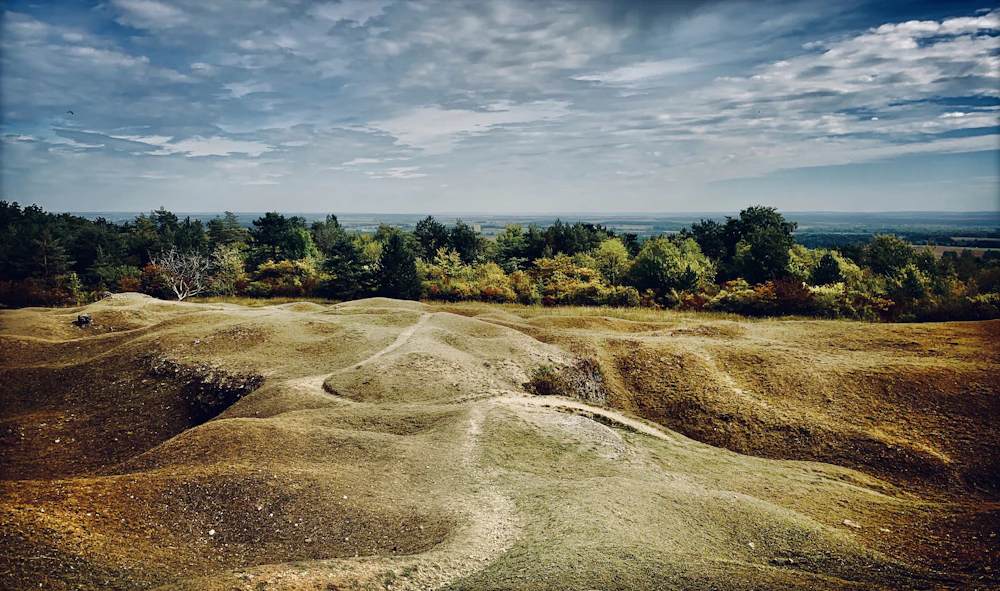
The desire to avoid a second world war was perhaps the most understandable and universal wish in history. More than 16.5 million people died during the First World War. The British lost 723,000; the French 1.7 million; the Russians 1.8 million; the British Empire 230,000; the Germans over 2 million. Twenty thousand British soldiers died on the first day of the Battle of the Somme, while the ossuary at Douaumont contains the bones of some 130,000 French and German soldiers - a mere sixth of those killed during the 302-day Battle of Verdun. Among the survivors there was scarcely a soul that was not affected. Almost everyone had a father, husband, son, brother, cousin, fiancé, or friend killed or maimed. When it was over, not even the victors could feel victorious. The Cenotaph, unveiled on Whitehall on June 19, 1919, was no Arc de Triomphe but a symbol of loss. Every Armistice Day, thousands of Britons shuffled past it in mournful silence, while, on both sides of the Channel, schools, villages, towns, and railway stations commemorated friends and colleagues with their own memorials. In the years that followed the mantra was as consistent as it was determined: "Never again!"
- From Appeasement: Chamberlain, Hitler, Churchill, and the Road to War by Tim Bouverie
[Photo of Verdun by Arjan de Jong at Unsplash]